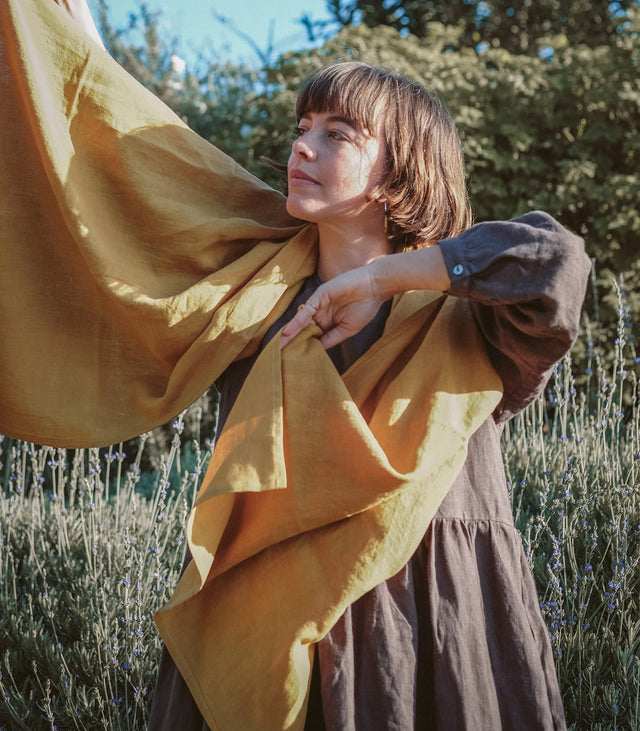
Linen is Expensive, But Let Us Explain Why It’s Worth It

Linen fabric has been valued for thousands of years. Ancient civilisations used it for clothing, household textiles, and ceremonial garments because of its strength, breathability, and natural elegance. Today, the same qualities remain. Whether it’s used in linen clothing or linen bedding, the fabric continues to hold its reputation as one of the most refined natural textiles available.
The price tag that is attached to linen is based on many factors which include the way the flax plant grows, the careful processes required to turn it into cloth, and the durability that allows linen garments to last for years. The cost reflects the time, skill, and natural resources involved in creating something designed to be worn and enjoyed season after season.

How Is Linen Made?
Linen fabric begins with flax, a slender blue-flowered plant that has been cultivated for thousands of years. The finest flax grows in regions with cool temperatures, steady rainfall, and fertile soil. Northern France, Belgium, and parts of the Netherlands produce some of the world’s highest quality flax because the climate supports the best yields.
Turning flax into linen fabric involves a sequence of labour-intensive steps. Each stage requires time and skilled handling, which contributes to the higher cost of linen fabric.
Harvesting
Flax is harvested differently from most crops. Instead of being cut, the plants are pulled from the ground so that the fibres remain long and intact. Harvest timing is also essential. If the plant is harvested too early or too late, the quality of the fibre declines. Farmers monitor the crop closely to ensure the fibres reach their optimal strength and length.
Retting
After harvesting, the stems undergo a process known as retting. During this stage, moisture and naturally occurring microorganisms break down the outer layers of the plant, allowing the fibres inside to separate from the woody stem. Retting can take several weeks and must be monitored carefully to prevent damage to the fibres.
Spinning
Once the fibres have been extracted, they are spun into yarn. Although linen fibres are strong, they still require careful handling at this stage. Skilled spinning ensures that the yarn maintains the strength that gives linen fabric its longevity while remaining flexible enough to weave into cloth.
Weaving
The yarn is then woven into fabric on looms. The structure of the weave determines the texture and weight of the linen. Experienced weavers pay close attention to tension, spacing, and consistency so that the final cloth has the crisp yet supple feel associated with high-quality linen clothing.
Finishing
After weaving, the fabric undergoes finishing processes that may include washing, softening, bleaching, or dyeing. These treatments refine the texture and appearance of the linen while preserving the strength of the fibres.
Quality Control
Throughout production, the fibres, yarn, and finished fabric are inspected to ensure consistent quality. Imperfections must be identified early so they do not compromise the durability of the textile. This attention to detail helps explain why linen garments maintain their structure and beauty over many years.
Overall, linen fabric is not mass-produced quickly. It requires agricultural knowledge, specialised skills, and a production timeline that cannot be rushed.
Linen Has Less of an Impact on the Planet Than Other Fabrics
The environmental profile of flax fibre is one of the reasons it attracts attention from people looking for more responsible materials.
Flax is a renewable crop. The plant grows quickly, requires relatively modest irrigation in many climates, and produces fibres that are fully biodegradable. These characteristics give linen clothing a different environmental footprint than many other textiles.
Cotton, for example, often requires significant water consumption and agricultural inputs. Synthetic fabrics present another set of challenges because they originate from petroleum. Extracting and refining petroleum requires substantial energy, and the resulting fibres do not biodegrade easily.
Linen fabric stands apart in several ways.
Material Source
Linen is made from flax fibres, which come from a renewable plant. Synthetic textiles originate from fossil fuels, a finite resource extracted through energy-intensive processes.
Energy Consumption
Flax cultivation and linen production generally require less energy than the processes used to create many synthetic fibres. From field to finished textile, the manufacturing stages remain relatively efficient.
Recycling and Biodegradability
Natural fibres can be repurposed or recycled into other products. When linen eventually reaches the end of its lifespan, the fibres can return to the soil. Synthetic fabrics persist far longer in landfills and often release microplastics as they break down.
Another point often raised is whether linen offers health benefits. The natural breathability of flax fibres allows air to circulate easily through linen fabric, which helps regulate body temperature and reduces moisture buildup.

Linen Clothing Lasts, and It Ages Beautifully
Unlike many fabrics that weaken or pill with frequent use, linen maintains its integrity through repeated wear and washing. Over time, the fibres soften, giving the fabric a relaxed and comfortable feel while preserving its strength.
This gradual softening is one of linen’s most appreciated qualities. A linen garment often becomes more comfortable with use, encouraging people to keep wearing it for many years. The result is a slower turnover of clothing and fewer items discarded after only a short period.
Read: Why We Choose to Wear Linen Every Day
The same durability explains why linen bedding has remained popular for hundreds of years. The fabric can withstand regular washing while continuing to grow softer and more comfortable.
Linen Clothing and the Principles of Slow Fashion
Linen clothing aligns naturally with the principles of slow fashion. The fabric itself encourages a different relationship with clothing. It is durable, comfortable, and designed to remain part of a wardrobe for years rather than a single season.
Slow fashion places value on craftsmanship, thoughtful production, and materials that endure. Because linen fibres are strong, breathable, and able to soften over time without losing their integrity, linen garments become more comfortable with wear, encouraging people to keep it rather than replace it.
Another defining aspect of slow fashion is the way garments are made. Many linen pieces are produced in small batches by skilled makers who focus on careful construction rather than speed.
At Titch, our linen clothing is created by a small team who take pride in their work. Cutting, sewing, and finishing are carried out with close attention to detail so that each piece meets a high standard of quality. The result is clothing that feels considered and well made, reflecting the care that went into its creation.
When clothing is made with skill and intention, it carries a sense of permanence. Linen garments become part of daily life, worn repeatedly and appreciated for the comfort and quiet refinement they offer.
Switching Our Perspective
Fast fashion prioritises low prices and rapid production. Most garments are designed to last only a short time before being replaced. This cycle of constant purchasing contributes significantly to environmental strain and excessive waste.
A different perspective considers clothing as something worth keeping, much like a collector’s item. A small number of well-made pieces in your favourite colours can serve a wardrobe for many years.
Linen clothing fits naturally into this mindset. The fabric offers breathability, durability, and a relaxed elegance that never falls out of style. Rather than treating clothing as disposable, linen encourages a slower and more thoughtful approach to dressing and furnishing the home.
Titch – Locally Made Organic Linen Clothing for Women and Men
Understanding the story behind linen helps explain why the fabric has remained valued for centuries. From the cultivation of flax to the weaving of linen fabric, each stage reflects patience, skill, and respect for natural materials.
At Titch, this philosophy shapes every garment. Our locally produced linen clothing is produced using organic linen fabric selected for its strength, comfort, and longevity. Each piece is designed and made to be worn often, cared for easily, and appreciated for years to come.